
Diving into the realm of Inner Wellbeing Practices for Mental Clarity, this introduction aims to captivate readers with a compelling narrative that delves into the significance of mental clarity in our daily lives. Through a blend of mindfulness, meditation, breathing exercises, and physical activities, we uncover the key to enhancing inner wellbeing and achieving mental clarity.
Introduction to Inner Wellbeing Practices for Mental Clarity
Inner wellbeing refers to the state of being emotionally, mentally, and spiritually balanced and healthy. It encompasses a sense of peace, contentment, and harmony within oneself.
Mental clarity is essential for navigating the complexities of daily life. It allows for better decision-making, problem-solving, and overall cognitive function. Without mental clarity, individuals may feel overwhelmed, confused, and unable to focus.
Enhancing Mental Clarity through Inner Wellbeing Practices
Inner wellbeing practices play a crucial role in enhancing mental clarity by promoting self-awareness, mindfulness, and emotional regulation. These practices help individuals cultivate a sense of calm, reduce stress, and improve concentration.
- Practicing meditation: Meditation helps quiet the mind, improve focus, and reduce mental chatter. It promotes a sense of clarity and presence in the moment.
- Engaging in deep breathing exercises: Deep breathing techniques can help calm the nervous system, reduce anxiety, and increase oxygen flow to the brain, enhancing mental clarity.
- Cultivating gratitude: Gratitude practices encourage a positive mindset, enhance emotional well-being, and improve overall mental clarity by shifting focus to the present moment.
- Physical exercise: Regular physical activity not only benefits the body but also the mind. Exercise releases endorphins, reduces stress hormones, and improves cognitive function, contributing to mental clarity.
Mindfulness and Meditation Techniques
Mindfulness practices play a crucial role in improving mental clarity by helping individuals stay present and focused on the current moment. By cultivating awareness of thoughts, emotions, and sensations without judgment, mindfulness can reduce stress and enhance cognitive function.
On the other hand, meditation techniques offer various ways to promote inner peace and mental clarity. From focused attention meditation to loving-kindness meditation, each technique serves a unique purpose in calming the mind and fostering emotional well-being.
Mindfulness Practices for Improving Mental Clarity
- Body Scan Meditation: Involves focusing your attention on different parts of the body, helping to release tension and promote relaxation.
- Deep Breathing Exercises: Concentrating on your breath can anchor you in the present moment and alleviate racing thoughts, leading to mental clarity.
- Mindful Walking: Engaging in mindful walking by paying attention to each step can help clear the mind and enhance focus.
Different Meditation Techniques for Inner Peace
- Transcendental Meditation: Involves silently repeating a mantra to achieve a state of relaxed awareness and reduce stress.
- Guided Visualization: Utilizes mental imagery to promote relaxation, reduce anxiety, and enhance mental clarity.
- Body Scan Meditation: By systematically scanning the body for sensations, this technique helps individuals relax and connect with their physical and emotional state.
Positive Impacts of Mindfulness and Meditation on Mental Wellbeing
-
Mindfulness and meditation can reduce symptoms of anxiety and depression by promoting emotional regulation and stress management.
- Regular practice of these techniques can improve focus, memory, and cognitive function, leading to enhanced mental clarity and productivity.
- Studies have shown that mindfulness and meditation can increase feelings of compassion, empathy, and overall well-being, contributing to a more positive outlook on life.
Breathing Exercises and Relaxation Techniques
Breathing exercises and relaxation techniques play a crucial role in achieving mental clarity, reducing stress, and enhancing focus. By incorporating these practices into our daily routines, we can experience a profound sense of inner peace and calmness.
Deep Breathing Technique
- Find a quiet and comfortable place to sit or lie down.
- Place one hand on your chest and the other on your abdomen.
- Inhale deeply through your nose, allowing your abdomen to rise as you fill your lungs with air.
- Exhale slowly through your mouth, feeling your abdomen fall as you release the breath.
- Repeat this process for several minutes, focusing on the sensation of your breath moving in and out of your body.
Progressive Muscle Relaxation
- Lie down in a comfortable position and close your eyes.
- Start by tensing the muscles in your toes and feet for a few seconds.
- Release the tension and allow the muscles to relax completely.
- Move on to the muscles in your calves, thighs, abdomen, chest, arms, and face, tensing and relaxing each group of muscles one at a time.
- Focus on the sensation of relaxation spreading throughout your body, releasing any built-up tension and stress.
Mindful Breathing Exercise
- Sit in a comfortable position and close your eyes.
- Focus your attention on your breath, noticing the rise and fall of your chest with each inhale and exhale.
- Acknowledge any thoughts or distractions that arise, but gently guide your focus back to your breath without judgment.
- Practice this mindful breathing exercise for a few minutes each day to cultivate a sense of present-moment awareness and mental clarity.
Physical Activities and Inner Wellbeing
Regular physical activities play a crucial role in enhancing inner wellbeing and promoting mental clarity. Engaging in activities like yoga or Tai Chi not only improves physical health but also contributes significantly to mental wellbeing.
The Connection Between Physical Health and Mental Wellbeing
Physical health and mental wellbeing are closely interconnected. When we take care of our bodies through regular exercise, we also support our mental health. Physical activities help reduce stress, improve mood, increase energy levels, and enhance cognitive function. By staying active, we can create a positive impact on our overall wellbeing.
- Exercise releases endorphins, also known as 'feel-good' hormones, which help reduce feelings of anxiety and depression.
- Regular physical activity can improve sleep quality, which is essential for mental clarity and focus.
- Engaging in exercise routines promotes a sense of accomplishment and boosts self-confidence, leading to a more positive outlook on life.
Tips for Integrating Exercise Routines
Integrating exercise routines into your daily life can significantly improve inner wellbeing and mental clarity. Here are some tips to help you get started:
- Choose activities that you enjoy to make exercising a fun and rewarding experience.
- Set realistic goals and create a workout schedule that fits into your daily routine.
- Start with small steps and gradually increase the intensity and duration of your workouts to avoid burnout.
- Combine different types of physical activities to keep things interesting and challenge your body in new ways.
Outcome Summary
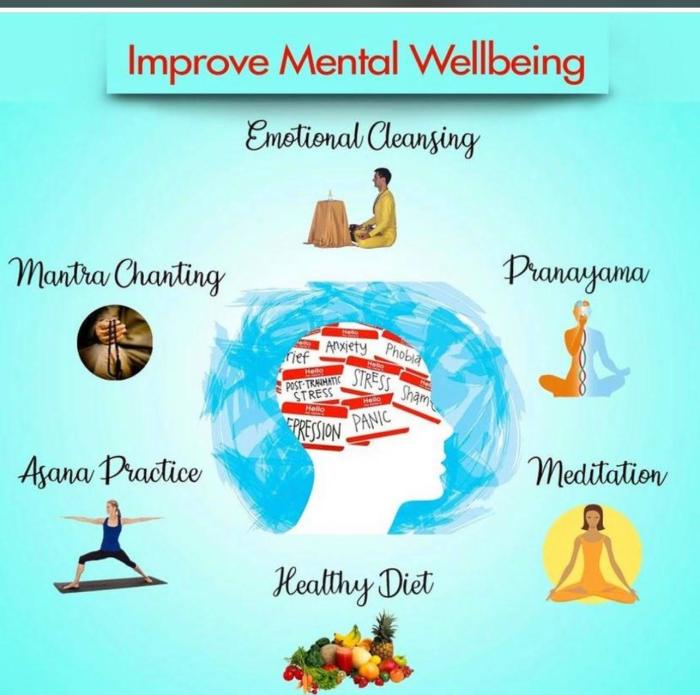
In conclusion, Inner Wellbeing Practices offer a holistic approach to nurturing mental clarity and promoting overall wellness. By incorporating these practices into our daily routines, we pave the way for a more balanced and focused mind. Embrace these techniques to embark on a journey towards inner peace and heightened mental acuity.
FAQ Explained
How can mindfulness practices improve mental clarity?
Mindfulness practices enhance mental clarity by promoting present-moment awareness and reducing distractions, allowing for better focus and cognitive function.
What are some relaxation techniques that help in achieving mental clarity?
Relaxation techniques like deep breathing, progressive muscle relaxation, and visualization can aid in reducing stress levels, calming the mind, and improving mental clarity.