
Delving into Disease Awareness and Early Detection Strategies, this introduction immerses readers in a unique and compelling narrative. Increased awareness plays a crucial role in early detection and prevention of various diseases, ultimately impacting public health outcomes.
This section will delve deeper into the strategies, methods, and technologies involved in disease awareness and early detection, shedding light on the importance of proactive healthcare initiatives.
Importance of Disease Awareness
Raising awareness about different diseases is crucial in promoting public health and well-being. By increasing awareness, individuals are more likely to recognize symptoms, seek medical attention early, and prevent the progression of diseases. Early detection can lead to better treatment outcomes and ultimately save lives.
Impact on Early Detection
- Increased awareness of symptoms: When people are informed about the signs and symptoms of various diseases, they are more likely to recognize them in themselves or others, prompting early medical intervention.
- Screening and prevention programs: Disease awareness campaigns often include information about screening tests and preventive measures, encouraging individuals to undergo regular check-ups and adopt healthy lifestyle practices.
- Reduced stigma: By raising awareness and educating the public about different diseases, stigma associated with certain conditions can be reduced. This can encourage individuals to seek help without fear of judgment or discrimination.
Strategies for Disease Awareness
Creating awareness about diseases is crucial in preventing and managing their impact on communities. Various strategies are employed to educate the public and promote early detection and treatment.
Social Media
Social media platforms play a significant role in spreading awareness about diseases due to their wide reach and accessibility. Healthcare organizations, government agencies, and advocacy groups utilize social media to share information, raise awareness, and debunk myths surrounding various illnesses.
By leveraging engaging content, visuals, and interactive campaigns, social media helps in educating the public about symptoms, risk factors, preventive measures, and available treatment options.
Partnerships between Healthcare Providers and Community Organizations
Collaborations between healthcare providers and community organizations are instrumental in raising disease awareness at the grassroots level. By working together, these entities can organize health fairs, workshops, and informational sessions to educate the community about prevalent diseases, risk factors, and the importance of regular screenings.
Healthcare providers can offer free or discounted screenings, consultations, and resources, while community organizations facilitate outreach efforts and provide support services for affected individuals.
Early Detection Methods
Early detection plays a crucial role in improving treatment outcomes for various diseases. Identifying diseases in their early stages allows for prompt intervention and management, leading to better prognosis and quality of life for patients.
Screening Methods
Screening methods for diseases vary depending on the type of condition being targeted. Common screening tests include blood tests, imaging studies (such as mammograms or CT scans), and physical examinations. These methods help detect abnormalities or early signs of disease before symptoms manifest, enabling timely treatment and intervention.
- For cancer, screening methods like mammograms, colonoscopies, and Pap smears are used to detect tumors or abnormal growths in the body.
- Cardiovascular diseases can be screened through blood tests measuring cholesterol levels, as well as diagnostic tests like ECGs and stress tests.
- For infectious diseases, screening may involve serological tests to detect the presence of specific pathogens in the body.
Early detection through appropriate screening methods can significantly increase the chances of successful treatment and recovery.
Genetic Testing
Genetic testing plays a vital role in the early detection and prevention of hereditary diseases. By analyzing an individual's DNA, genetic tests can identify genetic mutations associated with certain conditions, allowing for proactive measures to be taken to reduce the risk of developing the disease.
- Individuals with a family history of genetic diseases like cystic fibrosis or Huntington's disease can undergo genetic testing to determine their risk of inheriting the condition.
- Genetic testing can also guide treatment decisions and personalized medicine approaches for individuals with genetic predispositions to certain diseases.
Genetic testing empowers individuals to make informed decisions about their health and take proactive steps to manage their risk of developing hereditary diseases.
Promoting Early Detection
Early detection campaigns play a crucial role in raising awareness and saving lives. By educating the public about symptoms and risk factors, individuals are empowered to seek timely medical attention. However, there are challenges in implementing early detection programs that need to be addressed to ensure their effectiveness.
Examples of Successful Early Detection Campaigns
- The "Know Your Lemons" campaign for breast cancer awareness utilized visual aids to educate women about signs and symptoms, leading to increased early detection rates.
- The "Movember" campaign focused on men's health, particularly prostate cancer, encouraging men to undergo regular screenings for early detection.
Educating the Public on Symptoms and Risk Factors
Empowering individuals with knowledge about the symptoms and risk factors of various diseases can lead to early detection. By understanding what to look out for, individuals are more likely to seek medical help promptly.
Challenges in Implementing Early Detection Programs and Solutions
- One challenge is lack of awareness and access to healthcare resources in underserved communities. Solutions include mobile clinics and community outreach programs to bring screenings closer to those in need.
- Another challenge is overcoming fear or stigma associated with certain diseases. Education and destigmatization efforts can help encourage individuals to prioritize their health and seek early detection services.
Technology and Early Detection
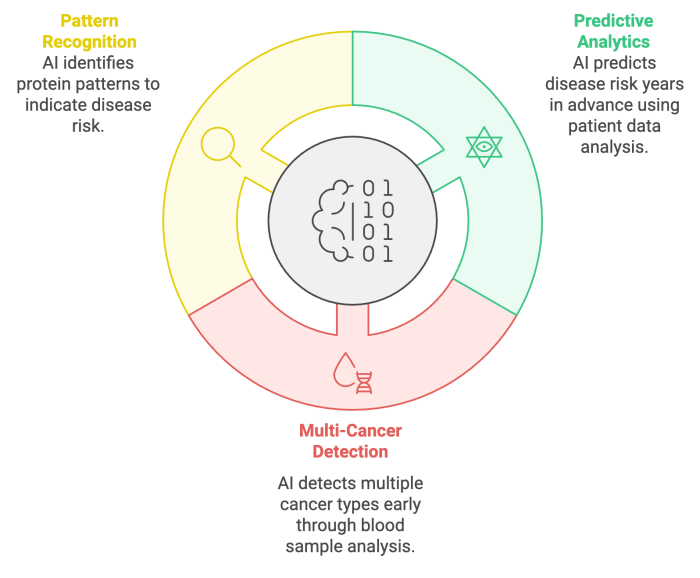
Technology plays a crucial role in revolutionizing early disease detection in healthcare. Advancements such as Artificial Intelligence (AI) and telemedicine have significantly enhanced the efficiency and accuracy of identifying diseases in their early stages.
Benefits of Using Technology for Early Detection
- AI algorithms can analyze vast amounts of medical data quickly, leading to faster and more accurate diagnosis.
- Telemedicine allows patients to consult with healthcare providers remotely, facilitating timely detection and intervention.
- Technology enables continuous monitoring of health parameters, helping to detect subtle changes indicative of potential health issues.
Limitations of Using Technology for Early Detection
- Reliance on technology may lead to errors or misinterpretations, emphasizing the need for human oversight and validation.
- Access to advanced technology may be limited in certain regions or communities, impacting the equitable distribution of early detection resources.
- Data privacy and security concerns may arise when utilizing technology for storing and analyzing sensitive health information.
Examples of Innovative Technological Solutions
| AI-based Diagnostics: Companies like IBM Watson Health utilize AI to analyze medical images and data for early detection of diseases like cancer. |
| Wearable Devices: Smartwatches and fitness trackers equipped with health monitoring sensors can provide real-time data for early detection of abnormalities. |
| Virtual Consultations: Telemedicine platforms offer remote consultations with healthcare professionals, enabling early detection and intervention without physical appointments. |
Concluding Remarks
In conclusion, Disease Awareness and Early Detection Strategies are vital components in promoting public health and improving treatment outcomes. By utilizing innovative approaches and leveraging technology, we can enhance early detection efforts and ultimately save lives.
Helpful Answers
What role does social media play in disease awareness?
Social media serves as a powerful tool in spreading awareness about different diseases to a wide audience, facilitating education and early detection efforts.
How can partnerships between healthcare providers and community organizations benefit disease awareness?
Partnerships can enhance outreach efforts, enabling more effective dissemination of information and resources to promote disease awareness and early detection.