
Embark on a journey to explore the realm of health and wellness initiatives in urban areas, where challenges and opportunities intertwine to shape the well-being of communities. As we delve into the intricacies of this dynamic landscape, a tapestry of innovative strategies and community empowerment unfolds, offering a glimpse into a future where urban health thrives.
Within this narrative, we will uncover the key elements that drive the success of initiatives aimed at enhancing the health and wellness of urban populations, shedding light on the transformative power of technology, community involvement, and forward-thinking approaches.
Challenges in Urban Areas
Urban areas present unique challenges when it comes to health and wellness. Factors such as pollution, limited green spaces, and high population density can significantly impact the well-being of urban populations.
Impact of Pollution
Pollution in urban areas, especially air and noise pollution, can lead to respiratory issues, cardiovascular diseases, and other health problems. Individuals living in cities with poor air quality are at higher risk of developing chronic conditions.
Lack of Green Spaces
Limited access to green spaces in urban settings can contribute to increased stress levels, lack of physical activity, and mental health issues. Green spaces are essential for promoting physical activity, reducing stress, and improving overall well-being.
High Population Density
High population density in urban areas can lead to overcrowding, limited access to healthcare facilities, and increased risk of infectious diseases. Managing public health resources and ensuring equitable access to healthcare services are crucial in densely populated urban environments.
Successful Initiatives
Several initiatives have been implemented to address health challenges in urban settings. For example, city-wide clean air programs, urban gardening projects, and community health clinics have been successful in promoting healthier lifestyles and improving overall well-being in urban populations.
Strategies for Igniting Initiatives
To kickstart health and wellness initiatives in urban areas, it is crucial to design a comprehensive plan that incorporates various effective strategies. These strategies can range from community engagement to policy changes and partnerships with local organizations, all aimed at promoting a healthier lifestyle in urban environments.
Community Engagement
Community engagement plays a vital role in igniting health and wellness initiatives in urban areas. By involving residents in decision-making processes, organizing community events, and creating awareness campaigns, a sense of ownership and responsibility towards health and wellness can be fostered.
This approach not only empowers individuals but also creates a supportive environment for sustainable initiatives.
Policy Changes
Implementing policy changes at the local level is another effective strategy to ignite health and wellness initiatives. By introducing regulations that promote healthier practices, such as increasing access to green spaces, improving public transportation options, or implementing healthy food initiatives, urban areas can create an environment that encourages positive lifestyle choices.
Partnerships with Local Organizations
Collaborating with local organizations, such as non-profits, businesses, healthcare providers, and educational institutions, can significantly amplify the impact of health and wellness initiatives in urban areas. These partnerships can leverage resources, expertise, and networks to reach a broader audience, implement innovative programs, and provide sustainable support for long-term success.Innovative Methods:
- Mobile health clinics to provide access to healthcare services in underserved urban areas.
- Urban gardening initiatives to promote healthy eating and community engagement.
- Fitness classes and wellness workshops held in public spaces to encourage physical activity.
- Technology-based solutions like health apps and wearable devices to track health metrics and provide personalized recommendations.
Technology and Innovation
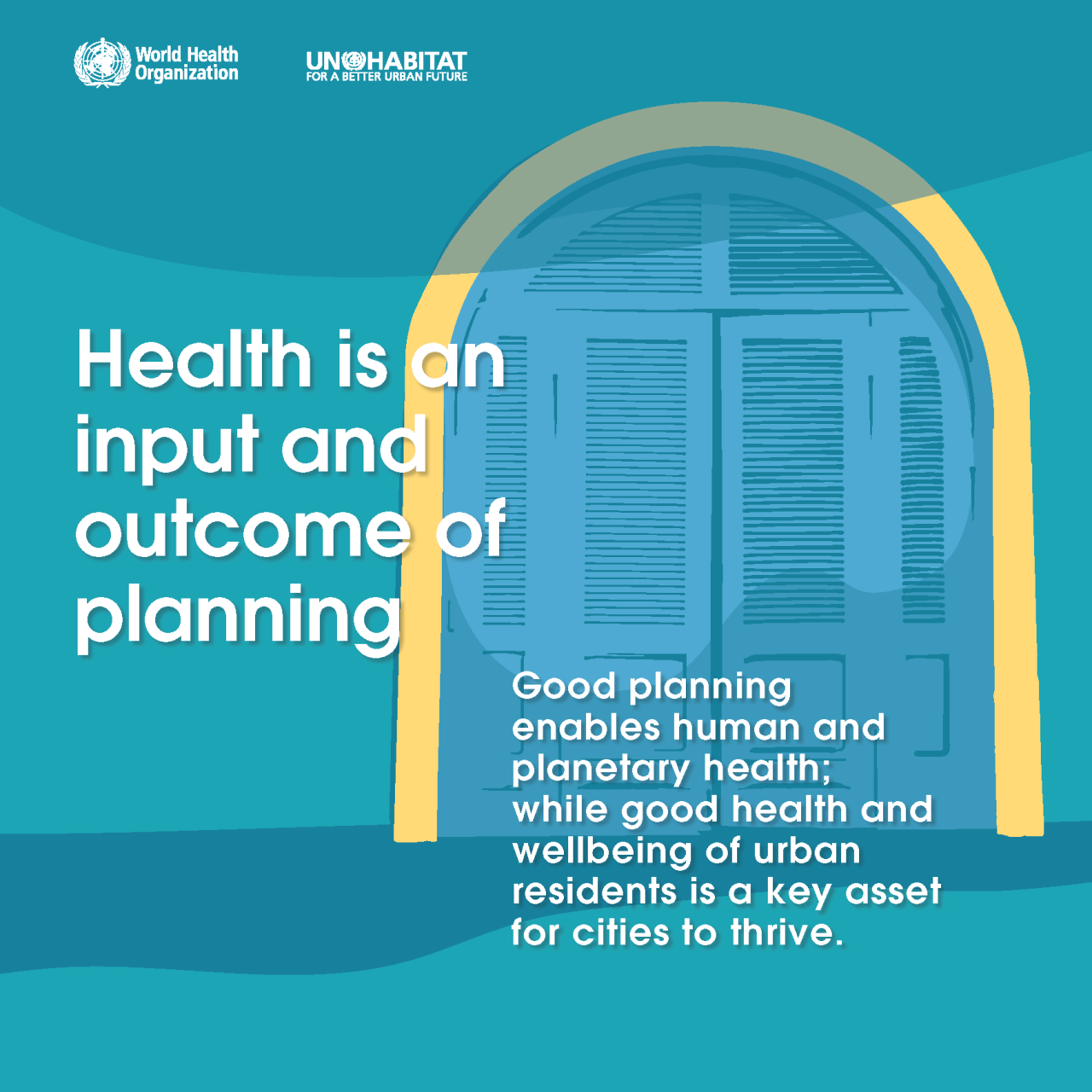
Technology plays a crucial role in enhancing health and wellness initiatives in urban areas. By leveraging digital tools and innovative solutions, cities can address various challenges and promote healthier lifestyles among their residents.
Role of Apps and Wearables
Apps and wearables have revolutionized the way individuals track their health and fitness goals. With the convenience of mobile apps, people can easily monitor their daily activities, set fitness targets, and receive personalized recommendations. Wearable devices, such as fitness trackers and smartwatches, provide real-time data on physical activity, heart rate, and sleep patterns, empowering users to make informed decisions about their health
Digital Tools for Healthy Living
Digital tools like online fitness classes, virtual coaching platforms, and telemedicine services have made it easier for urban dwellers to access healthcare services and wellness resources from the comfort of their homes. These tools not only promote preventive care but also help in managing chronic conditions effectively, reducing the burden on traditional healthcare systems.
Case Studies of Successful Initiatives
One notable example is the partnership between a city government and a health tech company to develop a mobile app that incentivizes residents to engage in physical activities and healthy behaviors. Through gamification and rewards, the app encourages users to adopt a more active lifestyle, leading to improved overall health outcomes in the community.
Another successful initiative involves the use of wearable devices in workplace wellness programs, where employees can track their progress, participate in friendly competitions, and receive incentives for achieving health goals.
Community Involvement and Empowerment

Community involvement plays a crucial role in driving sustainable health and wellness programs in urban areas. When local residents actively participate in initiatives that prioritize their well-being, the impact is more profound and long-lasting. Empowering communities to take ownership of their health fosters a sense of responsibility and commitment, leading to positive outcomes for everyone involved.
Tips for Engaging Diverse Urban Communities
- Organize community meetings and events to gather feedback and input from residents about their health needs and priorities.
- Collaborate with local leaders, organizations, and influencers to reach a wider audience and build trust within the community.
- Offer culturally sensitive and inclusive programs that cater to the diverse backgrounds and needs of urban residents.
- Provide educational resources and training opportunities to empower community members to make informed decisions about their health.
- Create a sense of ownership by involving residents in the planning, implementation, and evaluation of health initiatives.
Benefits of Empowering Local Residents
-
Increased motivation:
When individuals feel empowered to make choices about their health, they are more motivated to adopt healthy behaviors and sustain positive changes.
-
Improved community cohesion:
Empowering residents to work together towards common health goals strengthens social connections and fosters a sense of unity within the community.
-
Long-term sustainability:
Programs driven by community involvement are more likely to be sustained over time as residents feel a sense of ownership and responsibility for their success.
-
Enhanced health outcomes:
By actively participating in health initiatives, residents are better equipped to address their unique health needs and achieve improved overall well-being.
Last Recap
In conclusion, the journey through Ignite Health and Wellness Initiatives in Urban Areas unveils a tapestry of resilience, innovation, and community spirit. By harnessing the power of technology, fostering local engagement, and prioritizing sustainable strategies, urban areas can pave the way for a healthier, more vibrant future.
As we navigate the complexities of urban health together, let us embrace the possibilities that lie ahead and work towards a collective vision of well-being for all.
FAQ Explained
How can urban areas overcome challenges related to pollution and limited green spaces?
Urban areas can implement green infrastructure projects, such as rooftop gardens and urban parks, to mitigate pollution and increase green spaces for residents.
What role does technology play in promoting health and wellness in urban settings?
Technology can be leveraged through apps and wearables to track fitness goals, monitor health metrics, and provide valuable insights for individuals living in urban areas.
Why is community involvement crucial for the success of health initiatives in urban areas?
Community involvement ensures that initiatives are tailored to the specific needs of urban populations, fostering a sense of ownership and sustainability within the community.