

As Weight Loss Medication and Metabolic Health take the spotlight, readers are invited to delve into a realm of comprehensive knowledge, ensuring an engaging and informative read.
The subsequent paragraphs will delve into the intricacies of weight loss medication and its impact on metabolic health.
Understanding Weight Loss Medication
Weight loss medication plays a crucial role in managing obesity by helping individuals achieve and maintain a healthy weight.
Types of Weight Loss Medications
- Phentermine: This medication suppresses appetite and boosts metabolism.
- Orlistat: Works by blocking the absorption of fat in the body.
- Lorcaserin: Affects serotonin receptors in the brain to reduce appetite.
- Contrave: Combines bupropion and naltrexone to control cravings and hunger.
How Weight Loss Medications Work
Weight loss medications work in various ways to aid in weight reduction. They may suppress appetite, increase metabolism, block fat absorption, or alter brain chemistry to reduce cravings.
Metabolic Health and Its Importance
Metabolic health refers to the state of optimal functioning of the metabolic processes in the body, including how efficiently the body converts food into energy. It plays a crucial role in overall well-being and is closely linked to various aspects of health.
One of the key aspects of metabolic health is its relationship to weight management. A well-functioning metabolism can help regulate appetite, energy expenditure, and the storage of excess calories as fat. When metabolism is efficient, it can support weight loss efforts and prevent weight gain, ultimately contributing to a healthy body weight.
Impact of Metabolic Health on Energy Levels
Maintaining good metabolic health can significantly impact an individual's energy levels. A balanced metabolism ensures that the body can efficiently convert food into energy, providing the necessary fuel for daily activities and exercise. When metabolism is sluggish or imbalanced, it can lead to fatigue, lethargy, and a decrease in overall energy levels.
Impact of Metabolic Health on Overall Health
Optimal metabolic health is essential for overall well-being as it influences various bodily functions. A well-functioning metabolism can help regulate blood sugar levels, cholesterol levels, and other metabolic processes, reducing the risk of chronic conditions such as diabetes, heart disease, and obesity.
By supporting metabolic health, individuals can improve their overall health and quality of life.
Common Weight Loss Medications
Weight loss medications are often prescribed by healthcare providers to help individuals manage their weight and improve metabolic health. These medications work in various ways to assist with weight loss and can be used alone or in combination for enhanced effectiveness.
Popular Weight Loss Medications
- Orlistat (Xenical): Orlistat works by blocking the absorption of fat in the intestines, leading to reduced calorie intake.
- Phentermine (Adipex-P): Phentermine is an appetite suppressant that works to decrease hunger and promote weight loss.
- Liraglutide (Saxenda): Liraglutide is a medication that helps regulate insulin levels and control blood sugar, leading to weight loss.
Mechanisms of Action
Weight loss medications can have different mechanisms of action, such as appetite suppression, fat absorption inhibition, or metabolic regulation. For example, phentermine works by increasing the release of neurotransmitters that suppress appetite, while orlistat blocks the enzyme that breaks down fat in the intestines.
Combination for Enhanced Effectiveness
Combining weight loss medications can sometimes lead to enhanced effectiveness in managing weight. For instance, a combination of phentermine and topiramate has been shown to result in greater weight loss compared to either medication alone. Healthcare providers may prescribe a combination of medications based on the individual's needs and response to treatment.
Side Effects and Risks Associated with Weight Loss Medications
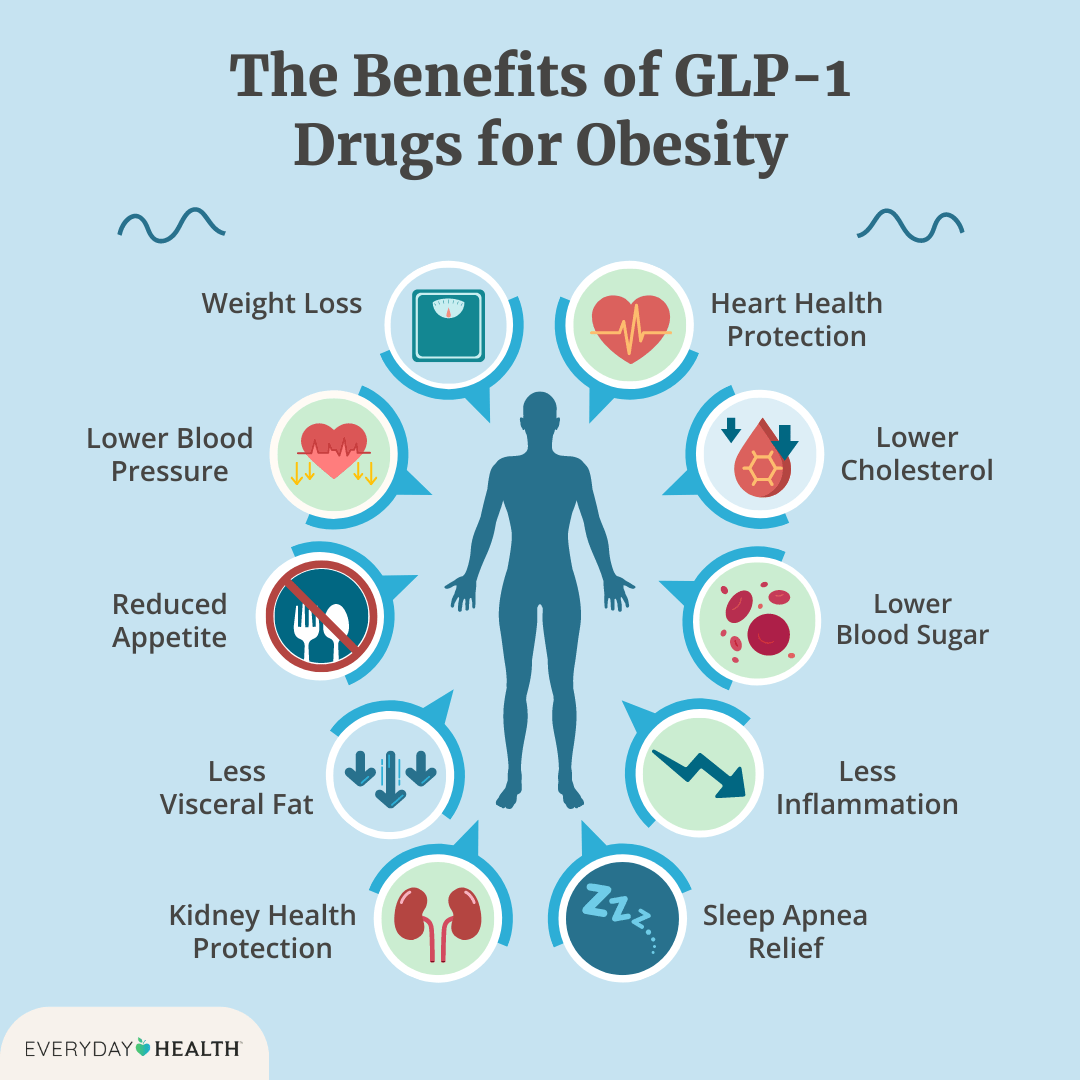
Weight loss medications can be effective in helping individuals achieve their weight loss goals, but they also come with potential side effects and risks that need to be considered.
Common Side Effects
- Nausea
- Dry mouth
- Constipation
- Headache
- Dizziness
Potential Risks of Long-Term Use
- Cardiovascular issues: Some weight loss medications may increase the risk of heart-related problems.
- Mental health effects: Long-term use of certain weight loss medications can impact mental health, leading to anxiety or depression.
- Dependency: There is a risk of developing a dependency on weight loss medications, making it challenging to maintain weight loss without them.
Monitoring by Healthcare Professionals
Healthcare professionals play a crucial role in monitoring patients who are using weight loss medications to minimize side effects and risks. They may:
- Regularly check vital signs and overall health status to detect any potential issues early on.
- Adjust dosage or switch medications if side effects become severe or if there are signs of risks developing.
- Provide counseling and support to help patients navigate the challenges of weight loss medication use.
Lifestyle Changes and Weight Loss Medication
When it comes to weight loss medication, incorporating lifestyle changes is crucial for long-term success and overall health improvement.
The Role of Diet and Exercise
Diet and exercise play a fundamental role in maximizing the benefits of weight loss medications. By following a healthy diet and engaging in regular physical activity, individuals can enhance the effectiveness of the medication and achieve better results.
- Focus on a balanced diet rich in fruits, vegetables, lean proteins, and whole grains to support weight loss and overall well-being.
- Incorporate regular exercise into your routine, such as cardio and strength training, to boost metabolism and burn calories.
- Consult with a healthcare provider or nutritionist to create a personalized diet and exercise plan that complements your weight loss medication.
Strategies for Long-Term Success
After completing a course of weight loss medication, it is essential to continue practicing healthy habits to maintain weight loss and promote metabolic health.
- Stay active and prioritize regular exercise to prevent weight regain and support metabolic function.
- Monitor your food intake, practice portion control, and make mindful choices to sustain a healthy weight.
- Attend follow-up appointments with healthcare providers to track progress, address any concerns, and make necessary adjustments to your lifestyle plan.
Closure
In conclusion, the discussion on Weight Loss Medication and Metabolic Health sheds light on the importance of holistic approaches towards weight management and overall well-being.
Top FAQs
What are the common side effects of weight loss medications?
Common side effects may include nausea, diarrhea, constipation, and dry mouth.
How do weight loss medications aid in weight reduction?
Weight loss medications work by suppressing appetite, increasing metabolism, or reducing fat absorption.
Can weight loss medications be combined for better results?
Combining certain weight loss medications may enhance effectiveness, but it should always be done under medical supervision.
What lifestyle changes should accompany weight loss medication use?
Healthy diet and regular exercise are crucial to maximize the benefits of weight loss medications and maintain long-term results.