
Exploring the landscape of Corporate Health and Wellness Trends in 2025 unveils a fascinating journey towards a healthier and more productive workforce. From cutting-edge technology integration to a growing emphasis on mental health initiatives, the future of corporate well-being is poised for significant transformation.
This discussion delves into the evolving trends that are shaping the corporate health and wellness landscape, offering insights into the key factors driving these changes and the impact they are expected to have on employee well-being.
Overview of Corporate Health and Wellness Trends in 2025
Corporate health and wellness programs have become increasingly important in today's fast-paced work environment. These programs aim to promote the physical, mental, and emotional well-being of employees, leading to increased productivity, reduced absenteeism, and improved overall job satisfaction.
The evolution of corporate health and wellness programs has been significant, with a shift from basic initiatives like gym memberships to more holistic approaches that encompass mental health support, nutrition counseling, and stress management techniques. In 2025, these programs are projected to become even more personalized and technology-driven, catering to the unique needs of individual employees.
Factors Influencing the Adoption of Health and Wellness Initiatives
- Rising healthcare costs: Employers are increasingly realizing the financial benefits of investing in employee health and wellness, as it can lead to reduced healthcare costs in the long run.
- Employee retention and recruitment: Offering comprehensive health and wellness programs can help attract top talent and retain valuable employees, contributing to a positive work culture.
- Shift towards remote work: With the rise of remote work arrangements, companies are focusing on providing virtual health and wellness resources to support the well-being of employees working from home.
- Emphasis on mental health: The awareness around mental health issues in the workplace has grown, leading to a greater emphasis on mental health support programs as part of corporate wellness initiatives.
Technology Integration in Corporate Health Programs
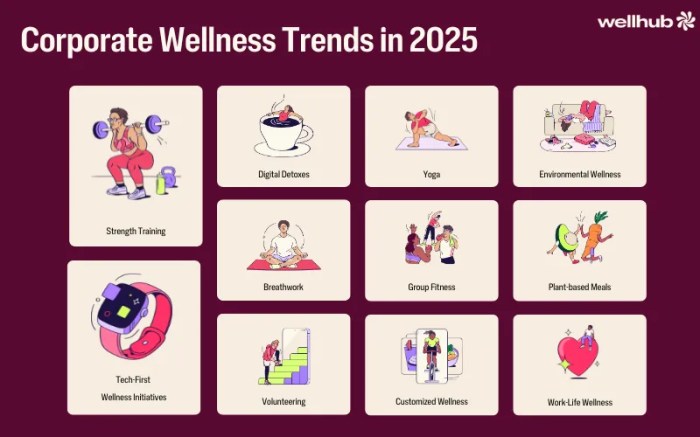
Technology is playing a key role in shaping corporate health initiatives, with the integration of wearables, AI, and telemedicine revolutionizing the way companies approach employee well-being.
Wearables in Corporate Wellness
Wearable devices such as fitness trackers and smartwatches are being used to monitor employees' physical activity, sleep patterns, and overall health. These devices provide real-time data that can help individuals make healthier choices and stay motivated to reach their wellness goals.
AI in Corporate Health Programs
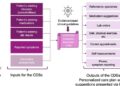
Artificial intelligence is being utilized to personalize health and wellness plans for employees based on their individual needs and preferences. AI algorithms can analyze large amounts of data to provide tailored recommendations for diet, exercise, stress management, and more.
Telemedicine for Employee Well-being
Telemedicine services are allowing employees to access healthcare professionals remotely, reducing the need for in-person doctor visits and making healthcare more convenient and accessible. This technology is particularly beneficial for employees in remote locations or those with busy schedules.
Mental Health and Well-being Initiatives
In recent years, there has been a significant rise in awareness and initiatives focusing on mental health in corporate settings. Companies are recognizing the importance of supporting their employees' mental well-being to create a healthier and more productive work environment.
Strategies for Supporting Mental Health in the Workplace
- Implementing Employee Assistance Programs (EAPs) that provide access to counseling and mental health resources.
- Offering mental health training for managers to recognize and address signs of distress in their teams.
- Promoting work-life balance through flexible scheduling and remote work options.
- Creating a stigma-free environment where employees feel comfortable seeking help and support.
Effectiveness of Mental Health Programs
Studies have shown that companies with robust mental health programs experience higher employee morale, lower absenteeism rates, and increased productivity. By investing in mental health initiatives, organizations can improve employee retention and overall job satisfaction.
Diversity, Equity, and Inclusion (DEI) in Wellness Programs
Incorporating Diversity, Equity, and Inclusion (DEI) principles into corporate health and wellness strategies is crucial for creating a supportive and inclusive work environment that caters to the diverse needs of employees. By prioritizing DEI in wellness programs, companies can ensure that all employees feel valued, respected, and included, which ultimately leads to improved overall well-being and productivity.
Inclusive Wellness Programs
- Implementing culturally sensitive health initiatives that consider the diverse backgrounds and beliefs of employees.
- Offering flexible wellness options to accommodate different abilities, schedules, and preferences.
- Providing resources and support for mental health issues that are inclusive of all identities and experiences.
- Creating affinity groups or Employee Resource Groups (ERGs) focused on wellness for specific communities within the organization.
Role of DEI in Creating a Supportive Work Environment
-
DEI initiatives in wellness programs can help address disparities in health outcomes among different demographic groups.
- By promoting diversity and inclusion, companies can foster a sense of belonging and psychological safety, which are essential for employee well-being.
- Encouraging open dialogue and feedback channels to ensure that wellness programs are inclusive and accessible to all employees.
- Training managers and leaders on DEI best practices to create a culture of respect and understanding within the organization.
Wrap-Up
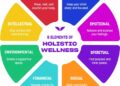
As we conclude our exploration of Corporate Health and Wellness Trends in 2025, it becomes evident that the future of workplace well-being is dynamic and multifaceted. By embracing innovative technologies, prioritizing mental health awareness, and fostering diversity and inclusion, organizations can create a work environment that nurtures the holistic well-being of their employees.
FAQ Compilation
How important are corporate health and wellness programs in 2025?
Corporate health and wellness programs are more crucial than ever in 2025 as organizations recognize the direct impact of employee well-being on productivity and overall success.
What role does technology play in shaping corporate health programs?
Technology like wearables, AI, and telemedicine are revolutionizing corporate health initiatives by providing personalized wellness solutions and enhancing employee engagement.
How are companies addressing mental health in the workplace?
Companies are implementing strategies to raise mental health awareness, offer support services, and create a stigma-free environment to prioritize employee well-being.
Why is diversity, equity, and inclusion important in wellness programs?
Incorporating DEI principles ensures that wellness programs cater to the diverse needs of employees and contribute to a more inclusive work environment that fosters well-being.