
Delve into the world of Inpatient Wellness Center Treatment Planning with a focus on creating impactful strategies for patient care and recovery. This article aims to explore the key components and challenges faced in developing comprehensive treatment plans.
Importance of Inpatient Wellness Center Treatment Planning
Effective treatment planning in an inpatient wellness center plays a crucial role in ensuring successful outcomes for patients undergoing treatment. It involves a comprehensive approach that addresses the individual needs of each patient and considers various factors that can impact their recovery.
Significance of Thorough Treatment Planning
- Thorough treatment planning allows healthcare professionals to tailor interventions to meet the specific needs of each patient. This personalized approach increases the likelihood of successful outcomes and promotes long-term recovery.
- By carefully assessing the patient's physical, mental, and emotional well-being, treatment plans can be customized to address underlying issues and provide holistic care that supports overall wellness.
- Additionally, treatment planning helps healthcare teams identify potential challenges or obstacles that may arise during the recovery process, enabling them to proactively address these issues and adjust the treatment plan as needed.
Impact on Patient Outcomes and Recovery
- Well-designed treatment plans can significantly impact patient outcomes by improving adherence to treatment protocols, reducing the risk of relapse, and enhancing overall quality of life.
- Patients who receive individualized treatment plans are more likely to experience positive results, as their unique needs and preferences are taken into account throughout the treatment process.
- Furthermore, effective treatment planning can help patients set achievable goals, track their progress, and stay motivated to continue their recovery journey with confidence and support from the healthcare team.
Role of Multidisciplinary Teams
- Collaboration among multidisciplinary teams is essential in developing effective treatment plans that address the diverse needs of patients in an inpatient wellness center.
- Each member of the healthcare team brings a unique set of skills and expertise to the table, allowing for a comprehensive assessment of the patient's condition and the development of a well-rounded treatment approach.
- By working together, healthcare professionals can combine their knowledge and perspectives to create holistic treatment plans that consider all aspects of the patient's well-being and promote a coordinated, patient-centered approach to care.
Components of an Effective Treatment Plan
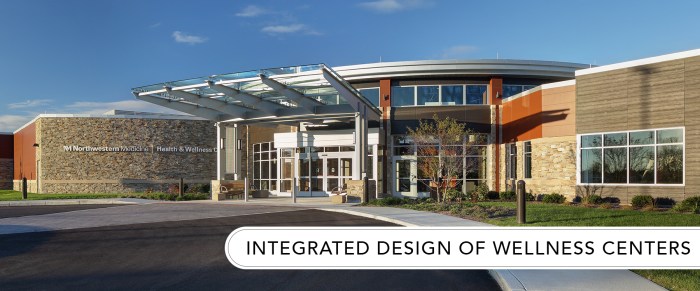
An effective treatment plan at an inpatient wellness center should encompass a comprehensive approach tailored to the individual's needs and goals. This plan should be dynamic, flexible, and adaptable to ensure the best outcomes for patients.
Key Components of a Treatment Plan
- Assessment and Evaluation: The initial step involves assessing the patient's physical, mental, and emotional health to determine the appropriate course of treatment.
- Goal Setting: Establishing clear and achievable goals with the patient to guide the treatment process and measure progress.
- Treatment Modalities: Incorporating evidence-based therapies such as individual counseling, group therapy, medication management, and holistic approaches.
- Structured Schedule: Creating a daily routine that includes therapy sessions, recreational activities, and self-care practices to promote healing and routine.
- Aftercare Planning: Developing a plan for transitioning back to daily life after discharge, including ongoing support and resources.
Personalized Treatment Goals
- For a patient struggling with substance abuse: Achieving sobriety, developing healthy coping mechanisms, and establishing a support network for long-term recovery.
- For a patient with a mood disorder: Stabilizing mood fluctuations, improving emotional regulation, and enhancing self-awareness through therapy and medication management.
- For a patient with an eating disorder: Normalizing eating patterns, addressing body image issues, and building self-esteem through nutritional counseling and cognitive-behavioral therapy.
Importance of Flexibility and Adaptability
A treatment plan must be flexible to accommodate changes in the patient's needs, progress, or setbacks. By being adaptable, healthcare providers can modify interventions, goals, or strategies to ensure that the treatment remains effective and relevant. This approach allows for personalized care and increases the likelihood of successful outcomes for patients undergoing treatment at an inpatient wellness center.
Integrating Evidence-Based Practices
Integrating evidence-based practices into treatment planning is crucial in ensuring that patients receive the most effective and proven interventions for their specific conditions. By utilizing evidence-based strategies, healthcare providers can enhance the quality of care provided and ultimately improve patient outcomes.
Importance of Evidence-Based Practices
When treatment plans are based on evidence-based practices, patients can benefit from interventions that have been scientifically proven to be effective. This approach helps in avoiding trial-and-error methods and ensures that patients receive the most appropriate care tailored to their needs.
- Utilizing evidence-based practices can lead to better patient outcomes and higher treatment success rates.
- It helps in standardizing care practices and ensures consistency in treatment across healthcare providers.
- By relying on evidence-based interventions, healthcare teams can make informed decisions based on research and clinical data.
Examples of Evidence-Based Strategies
Several evidence-based strategies are commonly used in inpatient wellness centers to provide comprehensive care to patients. Some examples include:
- Cognitive Behavioral Therapy (CBT): A proven psychological intervention that helps patients identify and change negative thought patterns and behaviors.
- Medication-Assisted Treatment (MAT): Combining medications with counseling and behavioral therapies for substance use disorders.
- Mindfulness-Based Stress Reduction (MBSR): A technique that promotes mindfulness and relaxation to reduce stress and improve mental well-being.
Addressing Co-occurring Disorders
In treatment planning, it is crucial to address co-occurring mental health and substance use disorders to ensure comprehensive care for individuals facing these challenges.
Strategies for Addressing Co-occurring Disorders
- Integrated Treatment Approach: Combining mental health and substance abuse interventions into a single, cohesive plan.
- Dual Diagnosis Treatment: Targeting both disorders simultaneously to address underlying issues effectively.
- Collaborative Care: Involving a multidisciplinary team of professionals to provide holistic support.
Challenges and Considerations
- Complexity: Co-occurring disorders often present complex treatment needs that require specialized approaches.
- Stigma: Overcoming stigma associated with mental health and substance abuse can impact treatment engagement.
- Coordination of Care: Ensuring seamless coordination between mental health and addiction treatment providers for integrated care.
Integrated Treatment Approaches
- Dialectical Behavior Therapy (DBT): Effective for individuals with co-occurring disorders by addressing emotional dysregulation and substance use.
- Motivational Interviewing: Engages individuals in exploring their ambivalence towards change, commonly used in dual diagnosis treatment.
- Medication-Assisted Treatment (MAT): Combines medication with therapy for individuals with co-occurring disorders, such as opioid use disorder and depression.
Monitoring and Adjusting Treatment Plans
Monitoring patient progress and adjusting treatment plans accordingly is a crucial aspect of providing effective care in an inpatient wellness center. This process involves regularly assessing the patient's response to treatment, identifying any barriers or challenges, and making necessary modifications to ensure the best possible outcomes.
Importance of Regular Reassessment and Modification
Regular reassessment and modification of treatment goals are essential to ensure that the patient's needs are being met effectively. By continuously monitoring progress and adjusting the treatment plan as needed, healthcare providers can address changing circumstances, evolving symptoms, or new developments in the patient's condition.
This proactive approach helps to optimize the effectiveness of the treatment and improve the overall quality of care provided.
- Reassessing treatment goals allows healthcare providers to track the patient's progress and make adjustments to the treatment plan based on their response to interventions.
- Regular modifications ensure that the treatment remains aligned with the patient's current needs and goals, preventing stagnation or ineffective care.
- By staying flexible and responsive to changes in the patient's condition, healthcare providers can adapt the treatment plan to address emerging issues or challenges effectively.
Tools and Methods for Tracking Patient Outcomes
In order to monitor patient outcomes and adjust treatment plans, healthcare providers may utilize various tools and methods to track progress and assess the effectiveness of interventions. Some examples include:
- Outcome measures: These standardized assessments help quantify the patient's progress in specific areas, such as symptom severity, functioning, or quality of life.
- Progress notes: Detailed documentation of the patient's response to treatment, including any changes in symptoms, behaviors, or functioning, can provide valuable insights for adjusting the treatment plan.
- Collaborative discussions: Regular meetings with the treatment team, including the patient, can facilitate open communication and shared decision-making regarding modifications to the treatment plan.
Conclusive Thoughts
In conclusion, understanding the importance of meticulous treatment planning in inpatient wellness centers is crucial for optimizing patient outcomes. By integrating evidence-based practices and addressing co-occurring disorders, healthcare professionals can tailor personalized care plans to meet individual needs effectively.
Popular Questions
How does treatment planning impact patient outcomes?
Treatment planning plays a crucial role in guiding patient care by setting clear goals and strategies for recovery, ultimately influencing the success of treatment.
What are some challenges in addressing co-occurring disorders?
Developing treatment plans for individuals with co-occurring disorders requires careful consideration of multiple factors, such as symptom overlap and treatment coordination.
Why is flexibility important in treatment plans?
Flexibility allows healthcare providers to adapt treatment approaches based on individual progress and changing needs, ensuring the best possible outcomes for patients.