
Embark on a journey exploring the realm of Physical Activity Programs for Community Health, where the importance of staying active intertwines with the well-being of the community. This topic delves into the benefits, design, implementation, impact assessment, and challenges of these programs, painting a holistic picture of their significance.
Importance of Physical Activity Programs
Physical activity programs play a crucial role in promoting community health by offering a wide range of benefits that contribute to overall well-being.
Benefits of Physical Activity Programs
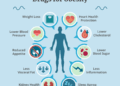
- Improves cardiovascular health: Regular physical activity helps strengthen the heart and improve circulation, reducing the risk of heart disease.
- Enhances mental health: Exercise releases endorphins that help reduce stress, anxiety, and depression, promoting better mental health.
- Controls weight: Engaging in physical activity helps burn calories and maintain a healthy weight, reducing the risk of obesity.
- Boosts immune system: Regular exercise can strengthen the immune system, making individuals more resistant to illnesses.
Successful Community Health Initiatives
Several successful community health initiatives have been driven by physical activity programs, such as:
- The "Walk for Health" campaign that encourages community members to walk regularly to improve fitness levels and overall health.
- Community sports leagues that promote physical activity and teamwork among residents, fostering a sense of community and well-being.
- School-based fitness programs that introduce children to the importance of physical activity from a young age, establishing healthy habits for life.
Design and Implementation of Programs
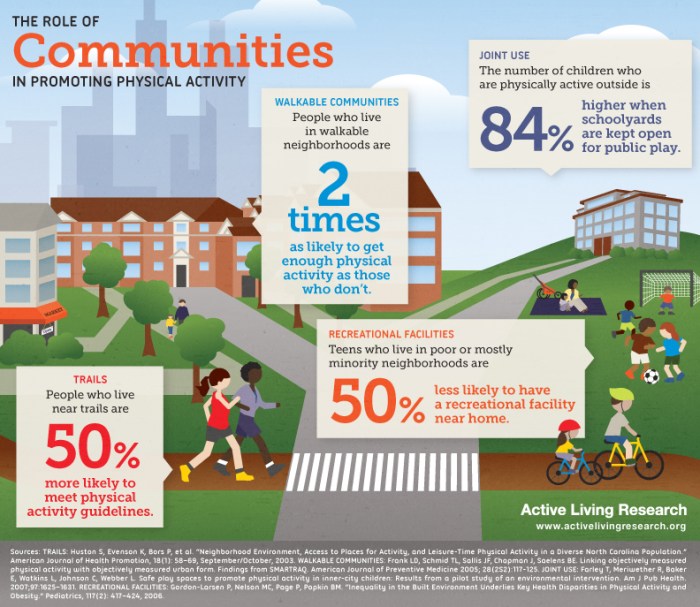
Implementing a successful physical activity program requires careful planning and consideration of various factors. From the essential components to tailoring programs to meet the needs of a diverse community, each step plays a crucial role in the overall success of the initiative.
Essential Components of a Successful Physical Activity Program
- Clear Goals and Objectives: Define specific goals and objectives for the program to provide a clear direction for participants and organizers.
- Qualified Staff and Instructors: Ensure that the program is led by qualified staff and instructors who have the expertise to guide participants effectively.
- Variety of Activities: Incorporate a variety of physical activities to cater to different interests and fitness levels within the community.
- Evaluation and Feedback Mechanisms: Implement systems to regularly evaluate the program's effectiveness and gather feedback from participants for continuous improvement.
- Safety Measures: Prioritize the safety of participants by implementing proper safety measures and protocols during all activities.
Tailoring Programs to Meet Diverse Community Needs
- Community Surveys and Needs Assessment: Conduct surveys and needs assessments to understand the specific needs and preferences of the community regarding physical activity.
- Flexible Scheduling: Offer flexible scheduling options to accommodate participants with varying work schedules, family commitments, and other responsibilities.
- Cultural Sensitivity: Consider the cultural backgrounds and preferences of community members when designing activities and promoting inclusivity.
- Accessibility: Ensure that the program location, facilities, and equipment are accessible to individuals with disabilities and other special requirements.
Strategies for Engaging Community Members in Physical Activity Initiatives
- Community Events and Challenges: Organize community events, challenges, and competitions to create excitement and motivate participation.
- Social Media and Online Platforms: Utilize social media and online platforms to promote the program, share success stories, and engage with community members virtually.
- Partnerships with Local Organizations: Collaborate with local schools, businesses, and organizations to expand outreach and encourage community involvement in physical activity initiatives.
- Incentives and Rewards: Offer incentives, rewards, or recognition for participants who achieve milestones or demonstrate commitment to the program.
Impact Assessment and Evaluation
Effective evaluation of physical activity programs is crucial to determine their impact on community health outcomes. By utilizing various methods and metrics, the success of these initiatives can be assessed accurately.
Methods for Evaluating Effectiveness
- Participant Surveys: Gathering feedback from program participants regarding their experiences, satisfaction, and perceived benefits.
- Health Assessments: Conducting pre and post-program health assessments to measure changes in physical fitness, weight, blood pressure, and other health indicators.
- Observational Studies: Observing and recording participant behavior during program activities to assess engagement levels and adherence to the program.
- Data Analysis: Analyzing quantitative data such as attendance rates, program completion rates, and health outcomes to evaluate program effectiveness.
Measuring Impact on Community Health Outcomes
- Health Indicators: Tracking changes in community-wide health indicators like obesity rates, chronic disease prevalence, and overall physical activity levels.
- Economic Impact: Assessing the economic benefits of improved community health, such as reduced healthcare costs and increased productivity.
- Social Connectedness: Examining the impact of physical activity programs on social connections, community engagement, and overall well-being.
Metrics for Assessing Success
- Percentage Change: Calculating the percentage change in key health indicators before and after the program implementation.
- Retention Rates: Monitoring participant retention rates to determine the program's ability to engage and retain individuals in the long term.
- Cost-Benefit Analysis: Conducting a cost-benefit analysis to evaluate the financial efficiency and effectiveness of the program.
- Social Impact: Assessing the social impact of the program through measures like increased community involvement, volunteerism, and social support networks.
Overcoming Challenges and Barriers
Implementing physical activity programs in communities can face various challenges and barriers that may hinder their success. These obstacles can range from lack of resources and funding to resistance from community members. However, with strategic planning and innovative solutions, these challenges can be overcome to promote physical activity and improve community health.
Common Challenges Faced
- Lack of funding and resources to support program implementation and sustainability.
- Resistance from community members due to cultural beliefs, lack of awareness, or misconceptions about physical activity.
- Difficulty in engaging hard-to-reach populations such as low-income families, older adults, or individuals with disabilities.
- Inadequate infrastructure or safe spaces for physical activity within the community.
Strategies for Overcoming Barriers
- Seeking partnerships with local businesses, organizations, and government agencies to secure funding and resources.
- Providing education and awareness campaigns to address misconceptions and promote the benefits of physical activity.
- Implementing culturally sensitive programs that respect and incorporate the values and traditions of the community.
- Offering incentives and rewards to motivate participation and sustain engagement.
Success Stories
- The city of Bogotá, Colombia, implemented the "Ciclovía" program, which closes off streets to cars on Sundays and holidays, allowing residents to walk, run, bike, and participate in various physical activities. This initiative has successfully increased physical activity levels among community members and promoted a healthier lifestyle.
- In Harlem, New York, the "Shape Up NYC" program offers free fitness classes in public parks, community centers, and schools to make physical activity accessible to all residents. This initiative has helped overcome barriers related to cost and accessibility, resulting in improved community health and well-being.
Summary
In conclusion, Physical Activity Programs for Community Health stand as pillars of strength in fostering a healthier and more active community. By understanding the key elements of these programs and overcoming challenges, communities can thrive and flourish in their journey towards better health and well-being.
Questions and Answers
What are some benefits of physical activity programs for community health?
Physical activity programs can improve cardiovascular health, boost mental well-being, and strengthen community bonds.
How can programs be tailored to meet the diverse needs of a community?
Programs can offer a variety of activities, accommodate different fitness levels, and consider cultural preferences.
What are some common challenges faced when implementing physical activity programs in communities?
Challenges may include lack of funding, limited resources, and difficulty in motivating community participation.
How can the effectiveness of physical activity programs be evaluated?
Effectiveness can be assessed through measuring participation rates, health improvements, and overall community engagement.